Duque de Caxias, Rio de Janeiro
City on Guanabara Bay, named after the Duke of Caxias.
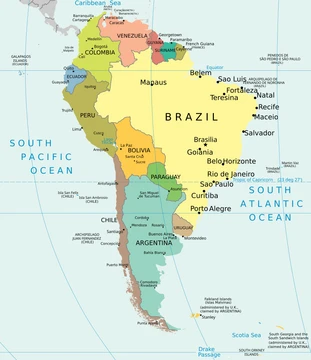
Duque de Caxias is a city on Guanabara Bay, part of the Rio de Janeiro metropolitan area in southeastern Brazil. It is the second most populous suburb of Rio de Janeiro city and the third most populous city in both the metropolitan area and the state of Rio de Janeiro.
- population_2024
- 866,347
- area
- 465 km²
- founded_as_municipality
- 1943
- named_after
- Luís Alves de Lima e Silva, Duke of Caxias
- state
- Rio de Janeiro
- country
- Brazil
- current_mayor
- Washington Reis
Lore & Background
The settlement of the region dates to the 16th century with the Captaincy of São Vicente. Sugarcane cultivation drove early occupation, with corn, beans, and rice as ancillary products. In the 17th and 18th centuries, the area belonged to Iguaçu and became a passage for gold from Minas Gerais and coffee from the Paraíba Valley. The Port of Estrela was a key landmark, but deforestation led to marshland and disease, causing decline by the 19th century. Rail transport further diminished river ports, and the region fell into sharp decline after the abolition of slavery in 1888.
In the 20th century, sanitation improvements under Getúlio Vargas and the expansion of railroads spurred growth. The District of Caxias was created in 1931, and the municipality of Duque de Caxias was established on December 31, 1943, after separating from Nova Iguaçu. The city gained autonomy in 1985 following the military dictatorship.
Reader's Guide
Duque de Caxias holds significance as a major industrial and suburban center within the Rio de Janeiro metropolitan area. Its chemical and oil refining industries are important to the regional economy. The city is the seat of the Roman Catholic Diocese of Duque de Caxias and is home to the football clubs Duque de Caxias Futebol Clube and Esporte Clube Tigres do Brasil. The municipality contains parts of the Tinguá Biological Reserve, the Taquara Municipal Nature Park, and the Central Rio de Janeiro Atlantic Forest Mosaic, highlighting its environmental importance. Its history reflects broader patterns of Brazilian settlement, economic cycles, and urbanization, from colonial sugarcane and gold routes to modern industrial growth.
Did You Know?
- Duque de Caxias is named after Luís Alves de Lima e Silva, Duke of Caxias, who was born there in 1803.
- The city became a municipality in 1943 after separating from Nova Iguaçu.
- The Meriti River separates Duque de Caxias from Rio de Janeiro city.
- The local football team Duque de Caxias Futebol Clube plays at Estádio Romário de Souza Faria, capacity 10,000.
More in South American Cities 1-24
Elsewhere in the South American Cities universe
Spotted an error? Know more?
This is a living reference — every entry is fact-audited, and reader corrections feed straight into our audit queue. Suggest an edit · See this site's audit record