Cuenca, Ecuador
Ecuadorian city known as the Athens of the Andes.
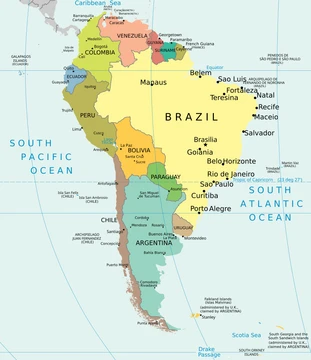
Cuenca, officially Santa Ana de los Ríos de Cuenca, is an Ecuadorian city, head of the canton of the same name and capital of the province of Azuay, as well as its largest and most populated city. It is crossed by the Tomebamba, Tarqui, Yanuncay and Machángara rivers, in the south-central inter-Andean region of Ecuador, at an altitude of 2,538 meters above sea level. Founded on April 12, 1557, on the ruins of the Inca city of Tomebamba and the Cañari city of Guapondelig, it has been called 'Cuenca of the Andes' or 'Athens of Ecuador' for its architecture, cultural diversity, and contributions to arts, sciences, and literature. Its historic center was declared a UNESCO World Heritage Site in 1999, and it is one of Ecuador's most important administrative, economic, financial, and commercial centers.
- Founded
- April 12, 1557
- Country
- Ecuador
- Province
- Azuay
- Population (2022 census)
- 596,101
- Elevation
- 2,538 meters above sea level
- Average temperature
- 16.3 °C
- Known for
- UNESCO World Heritage Site, Panama hat production, four rivers
Lore & Background
Cuenca was originally a Cañari settlement called Guapdondelic, founded around 500 AD. The Incas conquered the Cañari in the 15th century, renaming the city Tomebamba and making it a regional capital known as the second Cusco. After the defeat of the Cañari, likely in the 1470s, Inca emperor Tupac Yupanqui ordered construction of Pumapungo, whose magnificence rivaled Cuzco. By the time Spaniards arrived, only ruins remained; Tomebamba is considered a candidate for the mythical city of gold called El Dorado.
Reader's Guide
Cuenca's significance lies in its layered history as a Cañari, Inca, and Spanish settlement, reflected in its UNESCO-listed historic center. It is the third most populous city in Ecuador, after Guayaquil and Quito, and the core of the third-largest metropolitan area in the country. Economically, Cuenca is known for textiles, furniture, hats, and shoes, including the Panama hats made by local artisans. It also exports flowers, especially orchids, and has industries in mining, logging, and cattle ranching. Tourism has grown due to its well-preserved old town and nearby national parks like Cajas National Park. The city's cultural influence extends to education and the arts, earning it the nickname 'Athens of Ecuador.' Its four rivers—Tomebamba, Tarqui, Yanuncay, and Machángara—define its geography and name. Cuenca's population at the 2022 census was 596,101, with an estimated expat population between 4,000 and 6,000. The city's economy was affected by Ecuador's change in currency from sucre to USD at the turn of the century.
Did You Know?
- Cuenca was founded on the ruins of the Inca city of Tomebamba and the Cañari city of Guapondelig.
- The city is named after Cuenca, Spain, birthplace of Viceroy Andrés Hurtado de Mendoza.
- Cuenca is known for producing Panama hats, despite their name.
- The historic center of Cuenca was declared a UNESCO World Heritage Site in 1999.
More in South American Cities 1-24
Elsewhere in the South American Cities universe
Spotted an error? Know more?
This is a living reference — every entry is fact-audited, and reader corrections feed straight into our audit queue. Suggest an edit · See this site's audit record